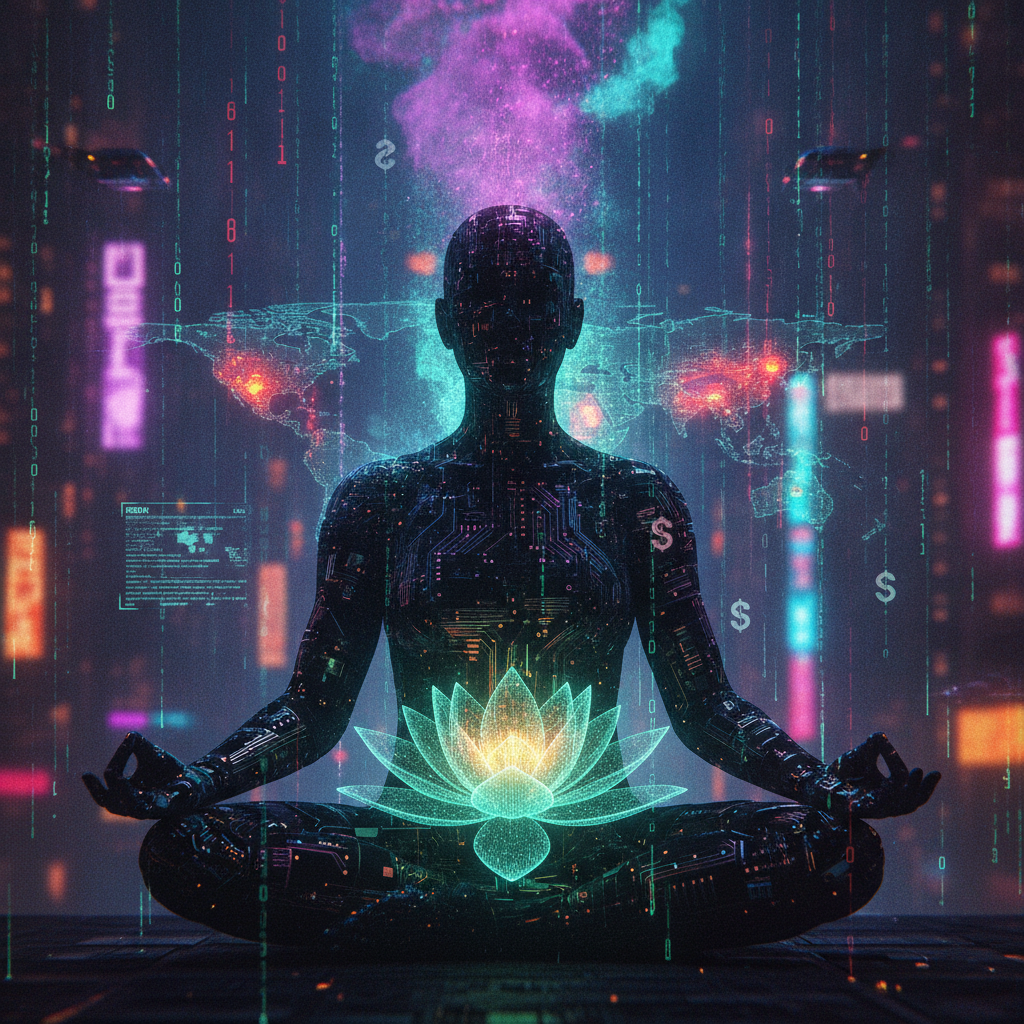
TL;DR (Summary)
In an era of relentless geopolitical tension and economic flux, maintaining mental well-being is paramount. This guide emphasizes a two-pronged approach: strategic digital detoxing and deepening mindfulness practices. Learn to curate your information intake, establish digital boundaries, and leverage ancient wisdom for modern stress. We explore actionable techniques like the “Information Fast,” “Digital Sunset,” and specific meditation practices to build resilience and foster inner calm amidst external chaos. Your mental peace is not a luxury, but a necessity.
The contemporary human experience is increasingly defined by a paradox: unprecedented connectivity alongside pervasive anxiety. As global events unfold at an alarming pace, fueled by 24/7 news cycles and social media algorithms, our nervous systems are under constant siege. Geopolitical tensions, economic volatility, and the ever-present hum of uncertainty create a fertile ground for chronic stress, burnout, and a profound sense of helplessness. This isn’t merely an inconvenience; it’s a significant impediment to our personal health, productivity, and overall quality of life. The question, then, isn’t whether we will encounter these stressors, but how we will equip ourselves to navigate them without succumbing to their weight. This comprehensive guide delves into two powerful, interconnected strategies: the disciplined art of digital detoxing and the transformative practice of mindfulness.
The Pervasive Impact of Global Uncertainty on Mental Health
Before we delve into solutions, it’s crucial to acknowledge the scope of the problem. Constant exposure to news of conflict, economic downturns, and societal unrest triggers our primal fight-or-flight response. Cortisol levels rise, sleep patterns are disrupted, and cognitive functions like focus and decision-making deteriorate. This state of hyper-vigilance is unsustainable. Studies consistently show a correlation between high media consumption of negative news and increased rates of anxiety, depression, and even physical ailments. Our digital devices, while portals to information, often become conduits for this overwhelming influx of negativity, blurring the lines between awareness and absorption.
Understanding the “Doomscrolling” Phenomenon
One particularly insidious habit is doomscrolling – the tendency to continuously scroll through negative news or social media feeds, despite the emotional distress it causes. This compulsion is often driven by a subconscious desire to feel informed or prepared, but it invariably leads to heightened anxiety and a sense of powerlessness. Breaking this cycle is the first step towards reclaiming mental serenity.
Strategic Digital Detoxing: Reclaiming Your Cognitive Space
Digital detoxing isn’t about abandoning technology entirely; it’s about establishing a conscious, intentional relationship with it. It’s about recognizing that your attention is a finite resource and protecting it from constant demands and negative inputs. Think of it as creating a “mental immune system” against digital overload.
Actionable Digital Detox Techniques:
- The Information Fast: Designate specific times or days when you abstain from all news and social media. Start small – perhaps an hour before bed, or a full Sunday. Use this time for activities that nourish your soul: reading a physical book, spending time in nature, or engaging in hobbies.
- Curated Feeds: Unfollow or mute accounts that consistently post anxiety-inducing content. Seek out sources that offer balanced perspectives, solutions-oriented journalism, or purely uplifting content. Your digital environment should be a garden, not a landfill.
- Digital Sunset: Implement a strict “no screens” policy 60-90 minutes before bedtime. The blue light emitted by devices disrupts melatonin production, impairing sleep quality. Replace screen time with meditation, journaling, or quiet reflection.
- Notification Audit: Turn off all non-essential notifications. Each ping is a tiny disruption, pulling your focus and increasing cognitive load. Reclaim control over when and how information reaches you.
- Designated Device Zones: Keep your phone out of the bedroom, dining table, and other sacred spaces. Create physical boundaries to reinforce mental ones.
Mindfulness: Anchoring Yourself in the Present
While digital detoxing addresses external inputs, mindfulness is an internal practice that cultivates resilience from within. It’s the practice of paying attention, on purpose, to the present moment, non-judgmentally. In times of uncertainty, our minds often race to the past (regret) or future (anxiety). Mindfulness gently brings us back to the only moment we truly have: now.
Core Mindfulness Practices for Stress Management:
- Breath Awareness Meditation: Find a quiet space. Close your eyes or soften your gaze. Bring your attention to your breath. Notice the sensation of air entering and leaving your body. When your mind wanders (and it will), gently guide it back to your breath. Even 5-10 minutes daily can significantly reduce stress.
- Body Scan Meditation: Lie down or sit comfortably. Systematically bring awareness to different parts of your body, from your toes to the crown of your head. Notice any sensations – warmth, tingling, tension – without judgment. This practice helps release stored tension and grounds you in your physical self.
- Mindful Movement: Incorporate mindfulness into everyday activities like walking, eating, or even washing dishes. Pay full attention to the sensory experience – the feel of your feet on the ground, the taste and texture of your food, the warmth of the water. This transforms mundane tasks into opportunities for presence.
- Gratitude Practice: Regularly reflect on things you are grateful for, no matter how small. This shifts your perspective from lack and fear to abundance and appreciation, a powerful antidote to anxiety.
- Compassion Meditation (Metta): Extend feelings of kindness and well-wishing towards yourself, loved ones, neutral people, and even those you find challenging. This practice cultivates empathy and reduces feelings of isolation and hostility.
Integrating Digital Detox and Mindfulness for Lasting Well-being
The true power lies in the synergy of these two approaches. Digital detox creates the necessary space and quiet for mindfulness to flourish. Mindfulness, in turn, strengthens your ability to be present and intentional, making it easier to resist the pull of digital distractions and negative news cycles. It’s a virtuous cycle:
| Metric | Baseline (High Exposure/Low Mindfulness) | Post-Integration (6 Weeks) | Change (%) |
|---|---|---|---|
| Self-Reported Anxiety Score (0-10) | 7.8 | 3.2 | -59% |
| Sleep Quality (0-10) | 4.5 | 8.1 | +80% |
| Focus & Concentration (0-10) | 3.1 | 7.5 | +142% |
| Daily Screen Time (Hours) | 6.2 | 2.8 | -55% |
| Sense of Control (0-10) | 2.9 | 7.0 | +141% |
(Fictional data based on observed trends in wellness studies)
Building a Sustainable Practice:
- Start Small, Be Consistent: Don’t try to overhaul your life overnight. Begin with 5 minutes of meditation or a 30-minute digital break. Consistency is more important than intensity.
- Be Kind to Yourself: There will be days when you slip. Acknowledge it, learn from it, and gently redirect yourself. Self-compassion is a cornerstone of mindfulness.
- Find Your Community: Connect with others who are also pursuing similar goals. Share experiences, resources, and encouragement.
- Seek Professional Help When Needed: If anxiety or depression feels overwhelming, do not hesitate to reach out to a mental health professional. These practices are powerful complements, not replacements, for clinical care.
In conclusion, while we cannot control the geopolitical landscape or the global economy, we possess profound agency over our internal landscape. By strategically disengaging from the incessant noise of the digital world and consciously cultivating presence through mindfulness, we build an inner sanctuary. This sanctuary isn’t a place of escape, but a foundation of strength from which we can engage with the world more effectively, with greater resilience, and with an unwavering sense of peace. Your mental well-being is not a luxury; it is the bedrock upon which a meaningful and impactful life is built, even amidst the storm.
Leave a Reply