TL;DR (Summary)
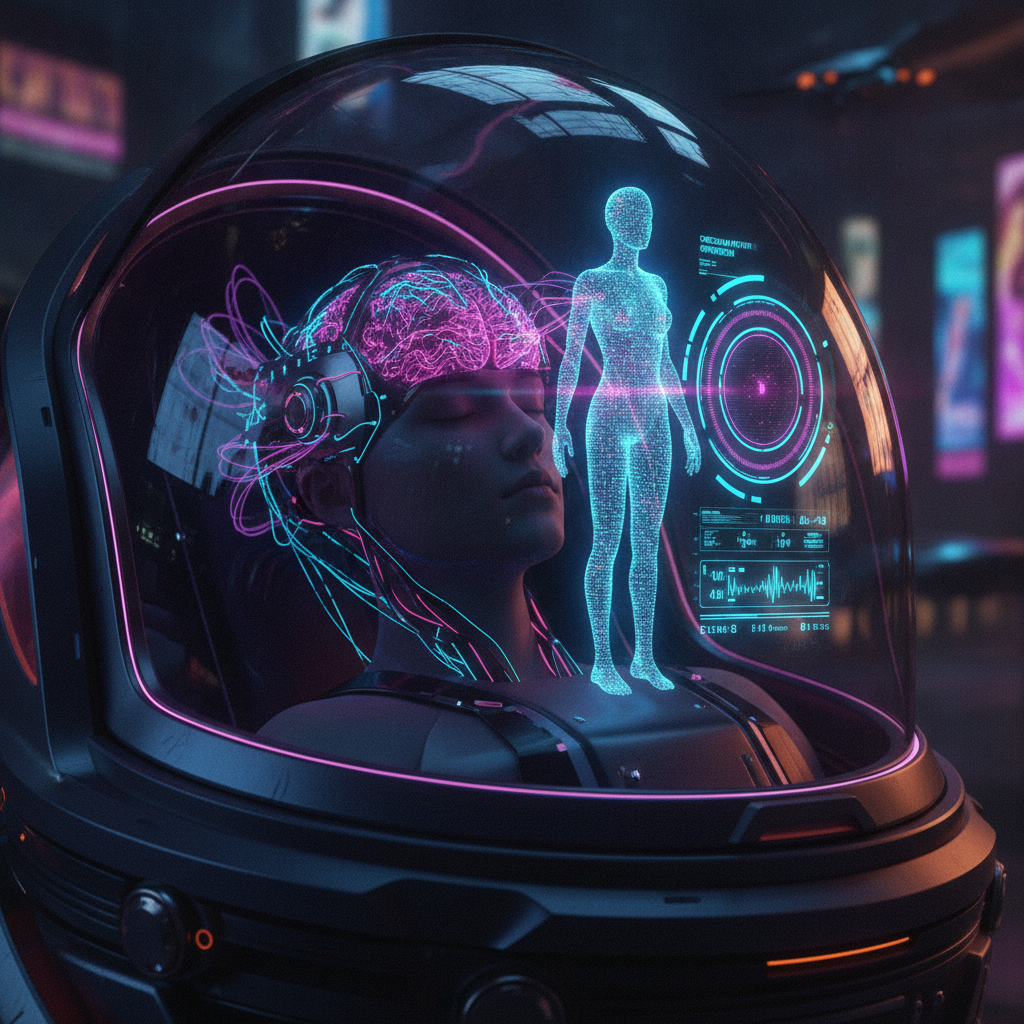
By 2026, sleep biohacking will revolutionize wellness through advanced AI-integrated monitoring and precision micronutrient supplementation. This comprehensive guide details how AI platforms will personalize circadian rhythm optimization by analyzing biometric data, environmental factors, and genetic predispositions. Expect dynamic light therapy, smart environmental controls, and bespoke nutrient protocols (e.g., targeted amino acids, minerals, vitamins) to significantly enhance cognitive function, accelerate physical recovery, and elevate overall vitality. The future of sleep is personalized, data-driven, and profoundly transformative.
The dawn of 2026 ushers in an unprecedented era for sleep biohacking, transcending conventional approaches to rest. We are moving beyond mere sleep tracking into a realm where artificial intelligence and advanced nutritional science converge to sculpt the optimal human sleep experience. This isn’t just about getting more hours; it’s about achieving profound, restorative sleep that fuels peak cognitive performance and accelerates physical recovery. The core of this revolution lies in the sophisticated optimization of our innate circadian rhythm, powered by AI-integrated monitoring tools and highly targeted micronutrient supplementation.
The Circadian Command Center: AI’s Role in 2026
Our circadian rhythm, the body’s intrinsic 24-hour clock, dictates far more than just when we feel sleepy. It orchestrates hormone release, metabolism, core body temperature, and even gene expression. In 2026, understanding and manipulating this rhythm becomes an exact science, thanks to AI-driven analytics. Forget generic advice; expect hyper-personalized protocols.
AI-Integrated Monitoring: A New Paradigm for Sleep Data
The fragmented data streams of today – wearables, smart home devices – are consolidating into unified, intelligent platforms. By 2026, your sleep environment will be an extension of your biometric profile:
- Predictive Biometric Analysis: Next-generation wearables and smart mattresses will not only track heart rate variability (HRV), respiratory rate, skin temperature, and sleep stages with unparalleled accuracy but will also use AI to predict sleep disturbances before they occur. Imagine an AI forecasting an impending restless night based on your day’s stress levels, workout intensity, and even meal timing, then proactively suggesting interventions.
- Dynamic Environmental Control Systems: AI will integrate seamlessly with your smart home. Based on your real-time sleep data and circadian phase, it will dynamically adjust lighting (spectrum, intensity, timing), room temperature, humidity, and even soundscapes. For instance, as you approach your optimal sleep window, lights will subtly shift to a red spectrum, temperature will precisely drop a few degrees, and a personalized binaural beat frequency might gently commence. This creates a micro-environment perfectly calibrated for sleep initiation and maintenance.
- Personalized Light Therapy & Exposure: Beyond static SAD lamps, 2026 will see AI-driven light devices that deliver specific light wavelengths and intensities throughout your day to re-align or reinforce your circadian clock. This could mean a burst of blue-enriched light upon waking, followed by balanced spectrums, and a gradual reduction to amber/red in the evening, all precisely timed by AI based on your unique chronotype and daily schedule.
- Advanced Sleep Scoring & Feedback Loops: AI will move beyond simple sleep scores. It will offer actionable insights into specific sleep deficiencies (e.g., insufficient deep sleep due to late-night blue light exposure, poor REM due to alcohol intake) and provide iterative feedback. This means your sleep system learns from your responses to its recommendations, continually refining its strategies for optimal results.
Micronutrient Supplementation: Precision Fuel for Cognitive Enhancement & Physical Recovery
The era of generic multi-vitamins for sleep is over. 2026 emphasizes a highly targeted, data-driven approach to micronutrient supplementation, informed by AI analysis of blood panels, genetic predispositions, and real-time physiological responses.
Targeted Nutrient Protocols for Enhanced Sleep Architecture
- Neurotransmitter Precursors: AI will identify specific deficiencies impacting neurotransmitter synthesis crucial for sleep. For example, personalized doses of L-Tryptophan or 5-HTP might be recommended to boost serotonin and melatonin production, while Glycine could be suggested to promote deep sleep and reduce core body temperature.
- Essential Minerals for Relaxation: Magnesium, particularly in highly bioavailable forms like L-Threonate or Bisglycinate, will remain foundational for muscle relaxation and nervous system calming. Zinc, crucial for melatonin synthesis and immune function, will also be precisely dosed based on individual needs. AI will ensure optimal timing and synergy with other supplements.
- Vitamins for Neural & Hormonal Support: Vitamin D3, often deficient and linked to sleep quality, will see personalized dosing. B-complex vitamins, especially B6 for neurotransmitter synthesis and B12 for circadian regulation, will be integrated into protocols. K2 will be considered for its role in calcium regulation, indirectly impacting sleep.
- Adaptogens & Nootropics: Beyond traditional supplements, expect AI to recommend specific adaptogens like Ashwagandha or Rhodiola, or nootropics like L-Theanine, based on your daily stress load and cognitive demands, aiming to reduce cortisol and promote a state conducive to sleep.
- Gut-Brain Axis Optimization: Emerging research highlights the gut microbiome’s profound impact on sleep. 2026 protocols will include personalized prebiotics, probiotics, and postbiotics, recommended by AI based on gut microbiome analysis, to optimize the production of sleep-inducing compounds like GABA and serotonin within the gut.
Synergy: Cognitive Enhancement & Physical Recovery
The ultimate goal of 2026 sleep biohacking is not just better sleep, but superior daytime function. Optimized circadian rhythms and precise micronutrient support lead directly to:
- Unleashed Cognitive Potential: Enhanced memory consolidation (during deep sleep), improved focus and attention, heightened creativity, and superior problem-solving abilities. Waking up truly refreshed means your brain functions at its peak, free from the “sleep debt fog.”
- Accelerated Physical Restoration: Deeper sleep stages are critical for muscle repair, growth hormone release, and cellular regeneration. Athletes and active individuals will experience faster recovery times, reduced inflammation, and improved physical performance, making sleep an even more potent performance enhancer than ever before.
- Hormonal Harmony: AI-guided sleep ensures optimal regulation of critical hormones like cortisol, insulin, and leptin/ghrelin, leading to better stress management, stable energy levels, and improved metabolic health.
2026 AI-Driven Sleep Protocol Recommendations: A Glimpse
Imagine your personal AI sleep coach providing a detailed, dynamic protocol like this:
| Time Slot | AI Recommendation Category | Specific Intervention (Example) | Rationale (AI-Generated) |
|---|---|---|---|
| 07:00 AM | Light Exposure | 30 mins full-spectrum (6500K) light exposure, 10,000 lux. | Boosts cortisol upon waking, suppresses melatonin, signals start of circadian day. Your chronotype benefits from early intense light. |
| 08:00 AM | Micronutrient Intake | B-Complex (Active forms), D3 (5000 IU), K2 (100 mcg). | Supports daytime energy metabolism, neurotransmitter synthesis, and maintains optimal vitamin levels based on recent blood panel. |
| 02:00 PM | Environmental Adjustment | Slight room cooling (21&; to 20&;), ambient white noise (40 dB). | Mid-day dip mitigation. Your afternoon data shows a slight rise in core temp, impeding focus. |
| 06:00 PM | Light Exposure | Transition to amber/red light (1900K) indoors, block blue light. | Signals evening transition, prevents melatonin suppression, prepares body for sleep. |
| 08:00 PM | Micronutrient Intake | Magnesium L-Threonate (400mg), Glycine (3g), L-Theanine (200mg). | Promotes GABAergic activity, reduces neural excitability, supports deep sleep onset and duration. Based on your stress markers. |
| 09:00 PM | Environmental Control | Bedroom temperature set to 18.5&;, blackout blinds activated, subtle binaural beats (Delta wave). | Optimizes core body temperature drop for sleep initiation. Enhances deep sleep architecture based on historical data. |
| Throughout Night | Dynamic Monitoring | Continuous HRV, respiratory rate, skin temperature tracking. AI adjusts room temp by ±0.5&; based on real-time biometrics. | Maintains thermal comfort zone, prevents micro-arousals, ensures uninterrupted sleep cycles. |
Challenges and Ethical Considerations
While the promise of 2026 sleep biohacking is immense, it’s not without its considerations. Data privacy and security become paramount as highly intimate biometric and environmental data are collected and analyzed. Ensuring accessibility and preventing a “sleep divide” between those who can afford such advanced systems and those who cannot will also be crucial. Ethical frameworks for AI in health will need to evolve rapidly to keep pace with these innovations.
Implementing Your 2026 Sleep Biohacking Strategy
While 2026 is still on the horizon, the principles are actionable now. Start by optimizing your light exposure, understanding your chronotype, and exploring foundational micronutrients like magnesium. As AI technologies become more sophisticated and integrated, gradually incorporate smart devices that offer personalized feedback. The key is to approach sleep not as a passive state, but as an active, intelligent process that can be meticulously optimized for peak human potential.
The future of sleep is here, and it’s smarter, more personalized, and more powerful than ever imagined. By embracing the convergence of AI and precision nutrition, we stand on the cusp of a wellness revolution, where truly restorative sleep becomes the bedrock of a healthier, more vibrant existence.
Leave a Reply