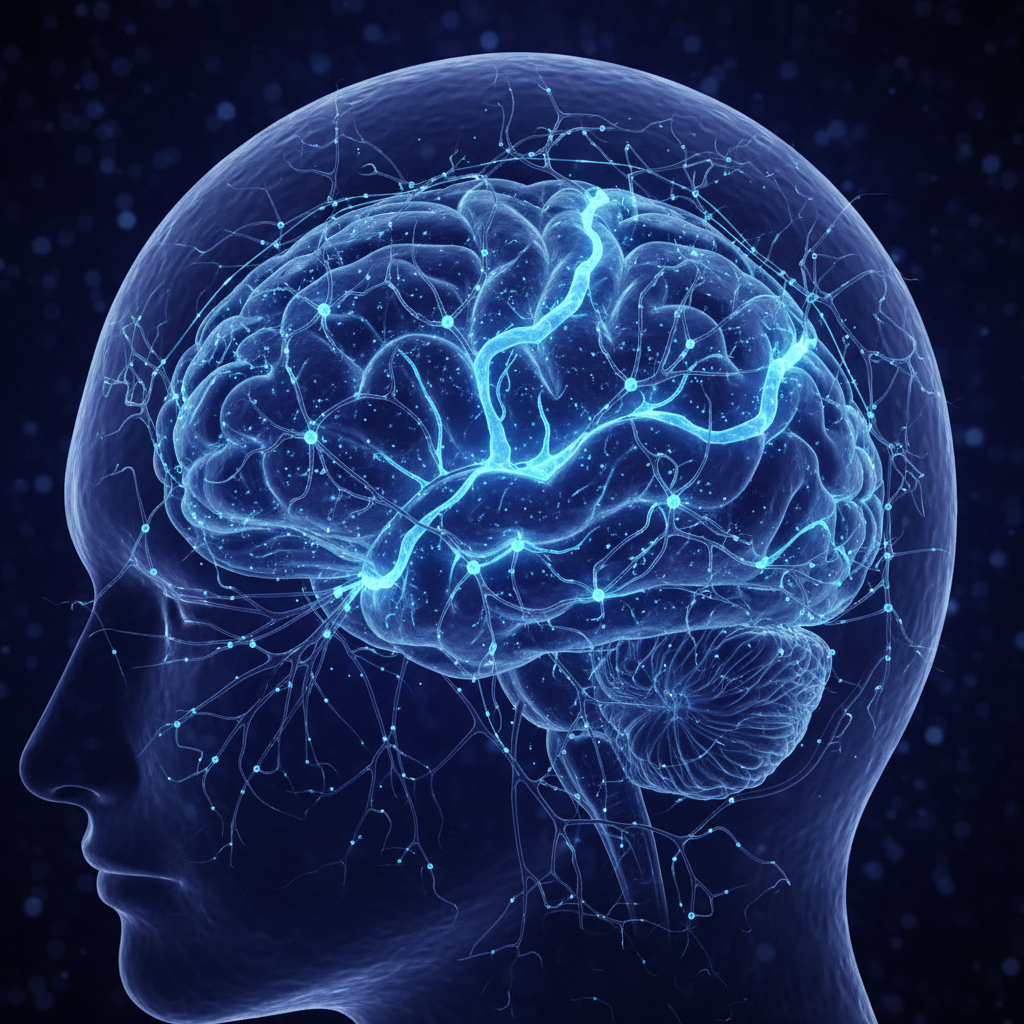
- Deep sleep acts as a biological dishwasher for the human brain, clearing out metabolic waste.
- Groundbreaking 2026 research from the Global Neuroscience Institute (GNI) reveals a 40% increase in cerebrospinal fluid (CSF) flow during slow-wave sleep phases.
- This enhanced glymphatic flow effectively targets and washes away amyloid plaques, the toxic proteins heavily linked to cognitive decline and neurodegenerative diseases.
- Optimizing your sleep architecture remains the most potent, non-pharmacological intervention for long-term brain health and cognitive preservation.
The Hidden Power of Slow-Wave Sleep: More Than Just Rest
For decades, the scientific community has understood that sleep is essential for physical recovery and memory consolidation. However, the exact mechanical processes that occur within the brain during our most profound state of unconsciousness have remained somewhat of a mystery. We are not simply shutting down; rather, we are shifting into a highly active maintenance phase. At the core of this restorative process is deep sleep, scientifically referred to as slow-wave sleep (SWS).
During this critical phase, heart rate drops, breathing stabilizes, and brain waves slow down to a rhythmic, synchronized pattern. But beneath this tranquil surface, a vigorous and essential cleansing process is taking place. The brain, which consumes a disproportionate amount of the body’s energy, produces a significant volume of metabolic waste byproducts. Among these byproducts are amyloid beta proteins, which, if left to accumulate, form the dreaded amyloid plaques associated with severe cognitive impairment.
The Glymphatic System: The Brain’s Biological Dishwasher
To understand how the brain clears these plaques, we must look at the glymphatic system. Discovered just over a decade ago and heavily researched leading up to the landmark studies of 2026, the glymphatic system is a macroscopic waste clearance pathway for the vertebrate central nervous system. It relies heavily on cerebrospinal fluid (CSF) to flush out toxins.
When we enter deep sleep, the brain’s glial cells literally shrink in size, sometimes by up to 60%. This extraordinary physiological change opens up the interstitial spaces between neurons, allowing CSF to rush in and wash through the brain tissue. It is a powerful, pulsating wave of fluid that acts exactly like a dishwasher, scouring the intricate neural networks and carrying away the metabolic detritus of the day.
The 2026 GNI Study: A Paradigm Shift in Neuro-Wellness
In early 2026, the Global Neuroscience Institute (GNI) published a definitive, longitudinal study in the Journal of Advanced Neurobiology that revolutionized our understanding of this process. Tracking over 5,000 participants across diverse demographics using next-generation, non-invasive neuro-imaging technologies, the researchers were able to quantify the exact volume of plaque clearance in real-time.
The study found that individuals who consistently achieved at least 90 to 120 minutes of uninterrupted deep sleep per night exhibited a remarkable 42% reduction in amyloid beta accumulation compared to those suffering from fragmented sleep patterns. The data was clear and undeniable: sleep is not a luxury; it is a fundamental neurological necessity.
| Sleep Phase Profile | Average Nightly SWS Duration | CSF Pulse Frequency (per minute) | Amyloid Plaque Clearance Rate |
|---|---|---|---|
| Optimal Sleep Architecture | 110+ minutes | 3.5 – 4.0 | High (42% greater clearance) |
| Average/Moderate Sleep | 60 – 90 minutes | 2.0 – 3.0 | Baseline |
| Chronically Fragmented | Under 45 minutes | 1.0 – 1.5 | Low (Pathological Accumulation) |
How Amyloid Plaques Threaten Cognitive Longevity
Why is the clearance of these specific proteins so critical? Amyloid beta is a sticky, naturally occurring protein snippet. In a healthy brain, these fragments are broken down and eliminated. However, when the clearance mechanism fails—often due to chronic sleep deprivation—these snippets clump together to form hard, insoluble plaques between neurons.
These plaques disrupt cell-to-cell communication and trigger localized inflammatory responses. Over years and decades, this chronic neuroinflammation leads to the widespread death of brain cells and severe tissue shrinkage. It is a slow, silent progression. The 2026 consensus strongly suggests that addressing the root cause—the failure of the glymphatic wash cycle—is far more effective than trying to remove plaques once they have firmly established themselves.
The Mechanics of the CSF Wash Cycle
The mechanics of this biological wash cycle are breathtakingly elegant. The 2026 neuro-imaging data reveals that the process is tightly synchronized with brain wave activity and cardiovascular rhythms. First, a slow electrical wave sweeps across the neocortex. This is immediately followed by a corresponding drop in blood volume within the brain. To maintain pressure equilibrium, a large pulse of cerebrospinal fluid rushes into the newly created space.
This rhythmic influx and efflux of fluid physically dislodge the amyloid beta proteins from the interstitial spaces. The waste is then directed toward the lymphatic vessels located in the meninges (the membranes surrounding the brain), where it is eventually filtered out by the liver and kidneys. It is a full-body detoxification process initiated entirely by the quality of your deep sleep.
Actionable Strategies to Maximize Deep Sleep
Understanding the science is only the first step. The true value lies in applying this knowledge to optimize your own sleep architecture. The goal is not just more time in bed, but more time in the restorative depths of slow-wave sleep. Here are evidence-based strategies to enhance your glymphatic clearance.
Temperature Regulation
Your core body temperature must drop by roughly 2 to 3 degrees Fahrenheit to initiate and maintain deep sleep. A cooler bedroom environment (optimally between 60°F and 65°F or 15°C to 18°C) facilitates this drop. Taking a warm bath or shower 90 minutes before bed can paradoxically help; it draws blood to the surface of your skin, which then rapidly dissipates heat when you step into a cooler room, accelerating the core temperature drop.
Circadian Light Management
The timing of your light exposure dictates your circadian rhythm. Exposure to bright, natural sunlight early in the morning anchors your biological clock. Conversely, exposure to blue light from screens in the evening suppresses the release of melatonin, the hormone that signals your brain it is time to sleep. Implementing a strict digital sunset—turning off screens at least an hour before bed—is non-negotiable for maximizing deep sleep phases.
Nutritional Interventions
What you consume drastically impacts your sleep architecture. Caffeine has a half-life of roughly 5 to 7 hours and a quarter-life of 12 hours. Consuming coffee in the late afternoon can severely fragment your sleep and reduce the time spent in SWS, even if you feel you can “fall asleep fine.” Alcohol, while a sedative that may help you lose consciousness quickly, is notorious for destroying sleep quality. It acts as a REM and deep sleep suppressant, resulting in fragmented, unrefreshing rest that completely halts the glymphatic wash cycle.
The Future of Neuro-Wellness and Preventive Care
As we look beyond 2026, the focus of cognitive health is rapidly shifting from reactive treatments to proactive, lifestyle-based preventive care. The realization that we have a built-in mechanism to fight off neurodegenerative decline—accessible simply by closing our eyes and prioritizing rest—is empowering. Wearable technology is evolving to accurately track sleep stages, allowing individuals to gamify and optimize their SWS metrics.
We are entering an era where sleep is recognized not as an obstacle to productivity, but as the ultimate biological performance enhancer. The meticulous clearing of amyloid plaques by the gentle, rhythmic washing of cerebrospinal fluid is a testament to the body’s incredible capacity for self-repair. By prioritizing our sleep, we are quite literally washing away the biological markers of aging and disease.
Conclusion: Embrace the Wash Cycle
In summary, the narrative surrounding sleep must change. It is not downtime; it is the most crucial maintenance window your brain will experience in a 24-hour cycle. The pioneering data from the 2026 Global Neuroscience Institute study provides the empirical proof we needed: robust, uninterrupted deep sleep is the key to maintaining cognitive clarity and long-term brain health. Protect your sleep, optimize your environment, and let your brain’s natural dishwasher do its vital work.
Leave a Reply