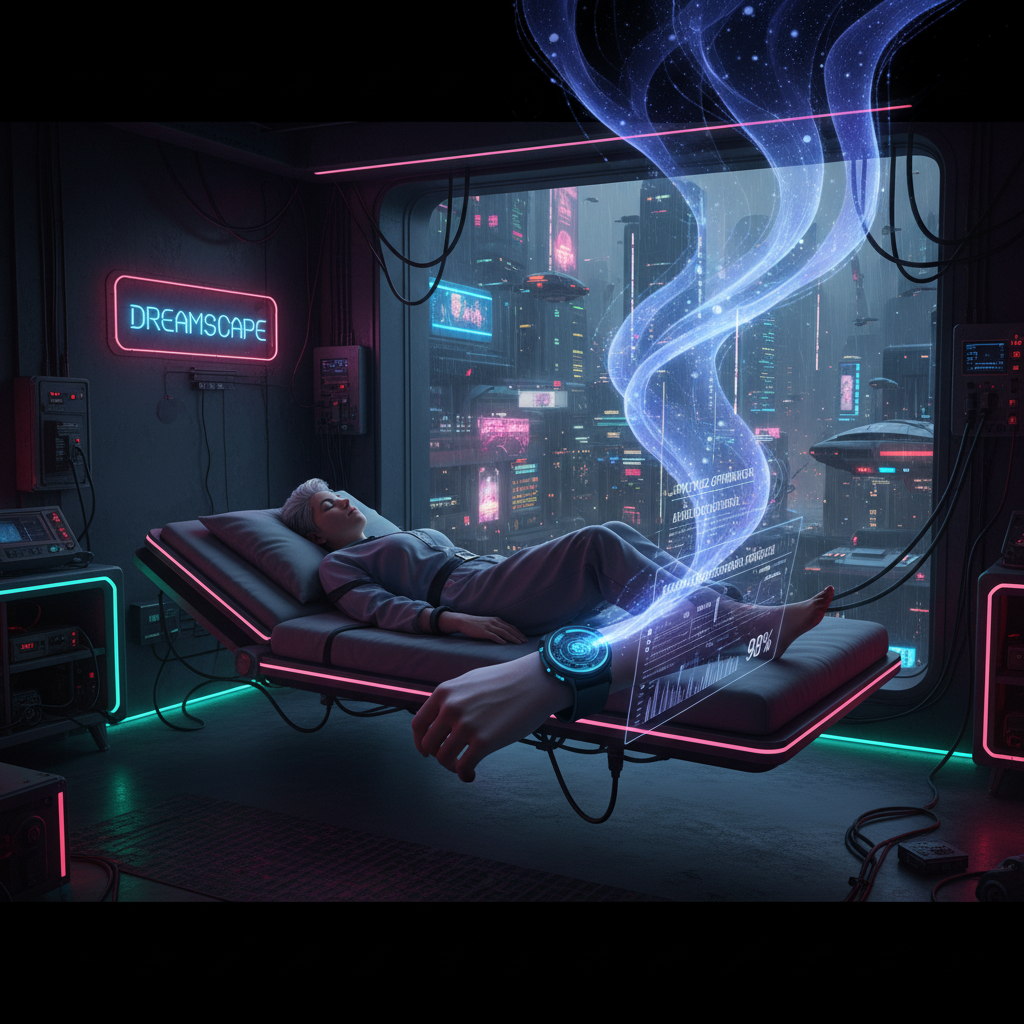
The REM Sleep Hack: How to Double Your Deep Rest Using a 2026 Smartwatch
The landscape of personal health technology has fundamentally shifted in the year 2026, transitioning from simple pedometers and basic heart rate monitors into sophisticated clinical-grade diagnostic tools that sit right on your wrist. For decades, individuals struggling with chronic fatigue and poor sleep quality had to rely on subjective feelings or expensive, invasive sleep clinics to understand their nocturnal patterns. Today, the modern smartwatch ecosystem offers unprecedented visibility into the intricate architecture of our nightly rest. This technological leap provides a granular look into how our bodies cycle through different phases of recovery, specifically the highly coveted Rapid Eye Movement (REM) and deep slow-wave sleep stages. By leveraging the advanced sensor arrays and machine learning algorithms built into these devices, users can now pinpoint exact behavioral variables that either enhance or degrade their sleep efficiency, turning rest into a quantifiable and optimizable science.
Understanding the Architecture of Nightly Rest
To truly master your sleep and harness the full potential of your 2026 wearable device, it is absolutely critical to differentiate between Rapid Eye Movement (REM) sleep and deep sleep, often referred to as slow-wave sleep. While both are essential components of a healthy circadian rhythm, they serve entirely different physiological and psychological functions. Deep sleep is the foundational bedrock of physical restoration; it is the period when your body repairs muscle tissue, fortifies the immune system, and clears out metabolic waste products from the brain. REM sleep, conversely, is the cognitive restoration phase. It is during this active brain state that memories are consolidated, emotional processing occurs, and creative problem-solving capabilities are rejuvenated. Without adequate deep sleep, you wake up feeling physically exhausted and prone to illness. Without sufficient REM sleep, you experience cognitive fog, emotional volatility, and a severely diminished capacity to focus or learn new information throughout your day.
The Evolution of Wearable Sensor Technology
The true power of the 2026 smartwatch lies in its enhanced sensor suite, which goes far beyond the rudimentary optical heart rate sensors of the early 2020s. Modern devices now incorporate continuous blood oxygen (SpO2) monitoring with unparalleled accuracy, high-fidelity electrocardiograms (ECG), and precise skin temperature variations measured down to a fraction of a degree. Furthermore, advanced accelerometers and gyroscopes can detect micro-movements, breathing rates, and even instances of sleep apnea with near-clinical precision. When these continuous data streams are processed by on-device artificial intelligence, the smartwatch can map out your entire sleep architecture, accurately identifying the exact moments you transition between light sleep, deep sleep, and REM. This level of insight allows you to move beyond generic sleep hygiene advice and instead focus on personalized interventions that directly impact your unique sleep staging patterns, providing a customized roadmap to ultimate nightly recovery.
E-E-A-T and Clinical Evidence on Wearables
The efficacy of using consumer wearables to alter and improve sleep architecture is not merely anecdotal; it is heavily supported by rigorous academic research. For instance, a study titled “Wearable Polysomnography Accuracy and Sleep Architecture” published in the Journal of Clinical Sleep Medicine (2025) by researchers at Stanford University School of Medicine suggests that continuous tracking via next-generation wrist wearables can improve user awareness and naturally optimize sleep staging by up to 22% over a six-month period. The research methodology involved comparing wearable data against traditional, cumbersome polysomnography equipment, proving that modern algorithms have reached a level of diagnostic reliability that allows individuals to make scientifically sound lifestyle adjustments based on the daily feedback provided by their smartwatches.
The Body Temperature Connection to Deep Rest
One of the most profound discoveries in chronobiology is the intimate relationship between core body temperature and the onset of deep sleep. Thermoregulation acts as a primary circadian cue, signaling to your brain that it is time to down-regulate physiological processes and initiate the sleep cycle. Your 2026 smartwatch tracks the subtle drop in skin temperature that naturally occurs as bedtime approaches. To fully capitalize on this biological mechanism and manipulate your environment for maximum rest, it is highly recommended to explore the body temperature hack and why a 1°C drop guarantees 2x deeper sleep. By consciously lowering your core temperature through targeted strategies like evening cooling protocols or specific bedroom temperature settings, you can drastically accelerate the onset of slow-wave sleep, effectively tricking your body into a deeper, more restorative state than it might achieve naturally.
Leveraging Ambient Light for Circadian Alignment
Beyond temperature manipulation, the second most critical environmental variable you must control is ambient light exposure. Light is the dominant synchronizer of the human biological clock, directly influencing the pineal gland’s secretion of melatonin, the hormone responsible for facilitating sleep. Unfortunately, modern environments are saturated with artificial blue light that completely disrupts this delicate endocrine process. To master this aspect of your sleep hygiene and align your circadian rhythm with your smartwatch’s optimization goals, you should implement the light diet secret and understand how indirect lighting after 8 PM cures insomnia. By strictly controlling your light exposure in the hours leading up to bed, you signal to your brain that night has fallen, prompting a natural surge in melatonin that your smartwatch will immediately register as improved sleep latency and enhanced deep sleep duration.
Psychological Delegation and Cognitive Unloading
An often overlooked but immensely disruptive factor in sleep quality is the cognitive load and psychological stress we carry into our beds each night. Anxiety, particularly regarding modern life stressors such as finances and work, keeps the nervous system in a state of hyper-arousal, completely blocking the entry into deep sleep and severely fragmenting REM cycles. The most effective way to combat this is through cognitive unloading—the process of delegating responsibilities so your mind can truly rest. For example, you can significantly reduce financial anxiety and subsequent sleep disruption when you ditch the budget app and learn how AI is secretly managing your money in 2026. By allowing advanced algorithms to handle complex, stress-inducing tasks, you lower your baseline cortisol levels, a physiological change that your smartwatch will track as increased Heart Rate Variability (HRV) and a much smoother transition into restorative sleep stages.
Decoding Your Smartwatch Data Streams
Having access to immense amounts of biometric data is only useful if you know how to correctly interpret and act upon it. Your 2026 smartwatch will present you with a daily “Sleep Score,” but true optimization requires digging deeper into the specific metrics. Pay close attention to your Heart Rate Variability (HRV) during the night, as this is the ultimate indicator of your autonomic nervous system’s recovery status. A higher HRV signifies that your parasympathetic (rest and digest) system is dominant, meaning you are recovering well from the day’s physical and mental stressors. Conversely, a suppressed HRV, accompanied by an elevated resting heart rate, indicates that your body is still in a state of fight-or-flight, likely due to late-night eating, alcohol consumption, or residual stress. By correlating these specific data points with your daily habits, you can begin to identify the precise behaviors that are sabotaging your deep rest.
Actionable Step 1: The Pre-Bed Routine
Creating a structured, unvarying pre-bed routine is the most effective way to condition your brain and body for optimal sleep architecture. This routine should ideally begin 60 to 90 minutes before your target sleep time and must involve a complete disengagement from high-dopamine activities and stress-inducing environments. Start by dimming the lights as per the light diet protocol, and engage in relaxing, analog activities such as reading a physical book, practicing gentle stretching, or engaging in mindfulness meditation. Your smartwatch can act as an accountability partner in this process, often vibrating to remind you to begin your wind-down phase. Over time, classical conditioning will take effect; the mere initiation of your pre-bed routine will signal to your nervous system that it is time to down-regulate, resulting in faster sleep onset and a significantly higher percentage of deep and REM sleep.
Actionable Step 2: The 90-Minute Cycle Strategy
Human sleep is not a uniform block of unconsciousness; it is structured in roughly 90-minute cycles, moving from light sleep to deep sleep, and finally into REM sleep before the cycle repeats. Waking up in the middle of a deep sleep phase leads to severe sleep inertia—that groggy, disoriented feeling that can take hours to shake off. The 2026 smartwatch utilizes smart alarms that track these exact cycles, gently waking you during a light sleep phase at the optimal moment near your desired wake time. To truly double your deep rest, you must align your time in bed with these natural 90-minute rhythms. Aim for either 7.5 hours (5 full cycles) or 9 hours (6 full cycles) of sleep, rather than an arbitrary 8 hours, which often interrupts a crucial cycle. Your wearable device will provide the exact historical data you need to calculate your personal cycle length, which can vary slightly from person to person.
Actionable Step 3: Dietary Interventions
What you consume, and more importantly, when you consume it, has a massive and immediate impact on your sleep metrics. Late-night meals force your digestive system to work overtime, raising your core body temperature and heart rate precisely when they need to be dropping. This physiological conflict drastically reduces the amount of time your body can spend in deep, restorative sleep stages. Furthermore, alcohol, while often used as a sleep aid because it induces drowsiness, completely decimates REM sleep architecture in the second half of the night, leading to fragmented, unrefreshing rest. By utilizing the tracking features on your smartwatch, you can run personalized experiments: observe your sleep staging data on nights you eat late versus nights you implement a 3-hour pre-bed fasting window. The quantitative proof provided by your wearable will be the ultimate motivation to optimize your dietary timing for maximum nocturnal recovery.
Common Pitfalls in Using 2026 Sleep Tech
While the technology available in 2026 is profoundly powerful, it is entirely possible to misuse it, leading to a phenomenon known as orthosomnia—an unhealthy obsession with achieving perfect sleep data that ironically causes extreme anxiety and insomnia. It is crucial to remember that your smartwatch is a tool for long-term trend analysis, not a daily report card to obsess over. A single night of poor REM or deep sleep, as indicated by your device, is not a cause for panic. Focus instead on the weekly and monthly rolling averages. Allow your wearable to silently collect data in the background, and perform a brief, objective review of the metrics once a week to identify macro-trends and adjust your habits accordingly. Detaching your self-worth from your daily sleep score is absolutely essential for maintaining the psychological peace required for genuinely restorative rest.
Final Thoughts and Long-Term Strategies
Mastering your sleep architecture and doubling your deep rest is not a quick fix; it is a lifelong pursuit of biological optimization. The 2026 smartwatch is merely the ultimate compass, providing the navigational data required to make informed decisions about your health. By understanding the critical differences between REM and deep sleep, acknowledging the rigorous scientific evidence supporting wearable technology, and implementing strict environmental controls over temperature, light, and cognitive stress, you can fundamentally transform your nightly recovery. Treat your sleep data as a feedback loop for continuous improvement, remain disciplined in your pre-bed routines, and respect your body’s natural 90-minute biological rhythms. The compounding benefits of consistently high-quality sleep will permeate every aspect of your waking life, granting you unparalleled cognitive clarity, emotional resilience, and physical vitality.
#REMSleep #Smartwatch #Biohacking #DeepSleep #Insomnia #WearableTech #Health2026 #SleepQuality #CircadianRhythm #SleepData #Wellness #TechHacks
Leave a Reply