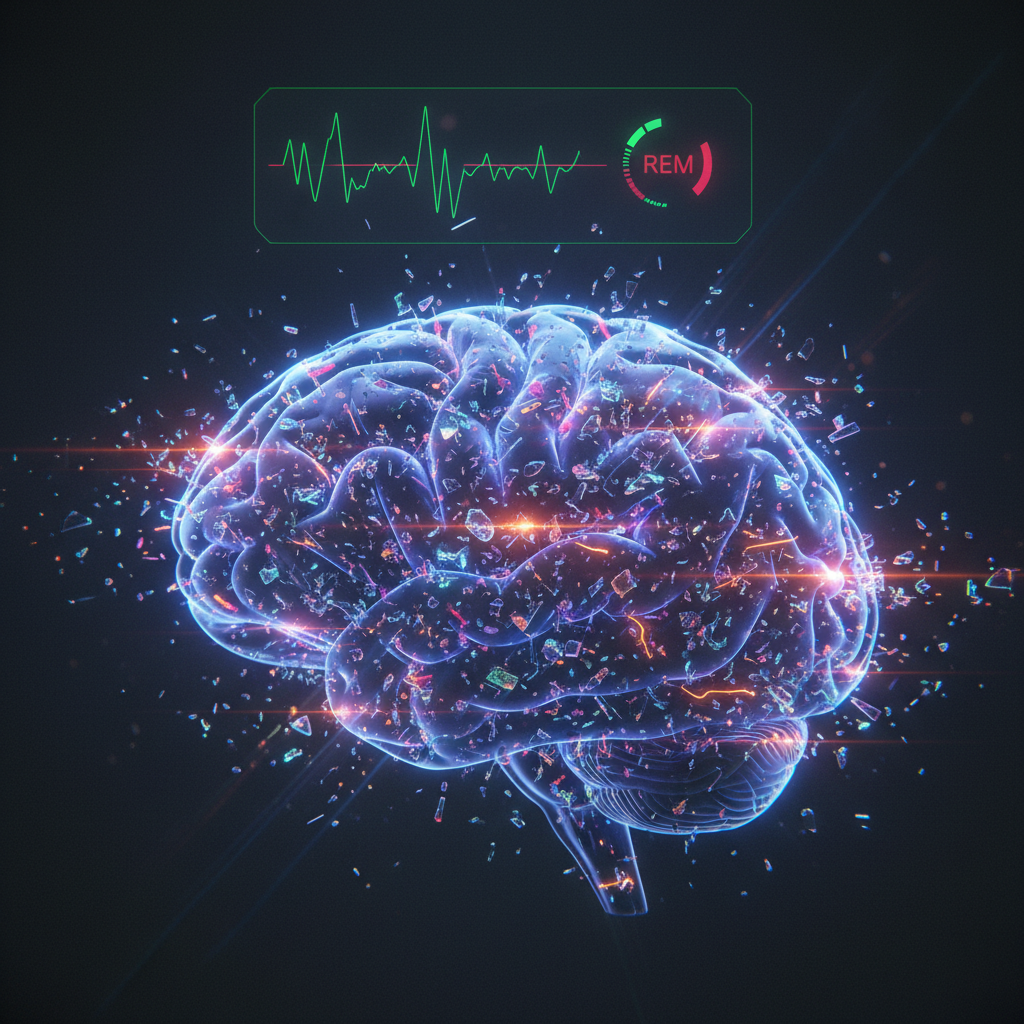
TL;DR (Summary)
Emerging evidence suggests a strong link between microplastic accumulation in the body and disrupted sleep architecture, particularly deep (SWS) and REM sleep. These microscopic particles can cross the blood-brain barrier, inducing neuroinflammation, acting as endocrine disruptors that interfere with melatonin production, and causing oxidative stress. This post dissects the mechanisms of this disruption and provides a practical daily protocol to mitigate exposure and enhance your body’s natural detoxification pathways, focusing on filtration, dietary choices, and lifestyle adjustments.
The Unseen Thief of Restorative Sleep
You’ve optimized everything. You have blackout curtains, a regulated room temperature, you avoid blue light before bed, and you even have a consistent sleep schedule. Yet, you still wake up feeling groggy, as if you’ve run a marathon in your dreams. The culprit might not be your habits, but an invisible invader accumulating in your system: microplastics. These ubiquitous polymer fragments, less than 5 millimeters in size, are in our water, our food, and even the air we breathe. While their impact on gut health and systemic inflammation is becoming well-documented, the new frontier of concern is their insidious effect on our most vital regenerative process: deep sleep.
Crossing the Final Frontier: The Blood-Brain Barrier
For years, the brain was considered a fortress, protected by the highly selective blood-brain barrier (BBB). However, recent studies have shattered this assumption. Nanoplastics, the even smaller cousins of microplastics, have been shown to breach this critical defense. Once inside, they are not passive guests. They are bioactive troublemakers that can trigger a cascade of neurological disruptions that directly sabotage your sleep cycles.
Mechanism 1: Neuroinflammation and Glial Cell Activation
When foreign particles like plastics infiltrate the brain, they activate the central nervous system’s immune cells—the microglia and astrocytes. This activation sparks a state of chronic, low-grade neuroinflammation. This is not the beneficial, acute inflammation that heals an injury; it’s a persistent, simmering fire. This inflammatory state has been directly linked to the suppression of Slow-Wave Sleep (SWS), the deepest and most physically restorative phase of sleep. Your brain, busy fighting a perceived threat, simply cannot power down into its deep regenerative mode.
Mechanism 2: Endocrine Disruption and Melatonin Sabotage
Many plastics contain chemical additives like Bisphenol A (BPA) and phthalates. These are notorious endocrine-disrupting chemicals (EDCs). In the brain, they can interfere with the delicate dance of hormones that govern our circadian rhythm. The most critical of these is melatonin, the “hormone of darkness.” EDCs can blunt the pineal gland’s ability to produce and release melatonin, leading to:
- Difficulty falling asleep.
- Fragmented sleep with frequent awakenings.
- A significant reduction in the duration and quality of REM sleep, which is crucial for memory consolidation and emotional regulation.
Essentially, your body’s own “go to sleep” signal is being jammed by these chemical imposters.
Your Daily Exposure Matrix: Identifying the Sources
Awareness is the first step toward mitigation. Complete avoidance is impossible in our modern world, but strategic reduction is achievable. Understanding your primary exposure vectors allows you to make high-impact changes with minimal effort.
| Exposure Source | Mechanism of Ingestion/Inhalation | Immediate Mitigation Strategy |
|---|---|---|
| Bottled Water | Leaching from PET plastic into water. | Switch to a glass or stainless steel reusable bottle. Filter tap water. |
| Plastic Teabags | Billions of particles released into hot water. | Use loose-leaf tea with a metal infuser or choose brands with paper bags. |
| Microwaving in Plastic | Heat accelerates chemical and particle leaching into food. | Never microwave food in plastic. Transfer to glass or ceramic containers first. |
| Synthetic Clothing & Bedding | Fibers are shed and inhaled, especially during sleep. | Opt for natural fibers like organic cotton, linen, or wool for bedding and clothing. |
| Seafood | Bioaccumulation in marine life. | Choose smaller fish lower on the food chain (sardines, anchovies) over large predators. |
A Proactive Protocol for Detoxification and Resilience
Reducing exposure is one half of the equation; the other is enhancing your body’s ability to manage and eliminate the plastics that inevitably get through. This isn’t about a punishing “detox,” but about consistently supporting your innate biological systems.
1. Fortify Your Filtration System
Your primary defense is preventing ingestion. Invest in a high-quality water filter. A multi-stage system with a carbon block and, ideally, reverse osmosis capabilities can significantly reduce microplastic load in your drinking water. Similarly, an air purifier with a HEPA filter can capture airborne plastic particles in your home, especially the bedroom.
2. Bind and Eliminate Through Diet
Certain foods can support the body’s detoxification pathways, particularly the liver (Phase I and II detox) and the gut.
- Cruciferous Vegetables: Broccoli, cauliflower, and Brussels sprouts contain sulforaphane, a compound that boosts liver detoxification enzymes.
- High-Fiber Foods: Soluble and insoluble fiber from sources like psyllium husk, chia seeds, and leafy greens can help bind toxins in the digestive tract and ensure their regular elimination.
- Antioxidant-Rich Foods: Berries, dark chocolate, and green tea help combat the oxidative stress caused by microplastics.
3. Lifestyle and Supplement Support
Simple daily habits make a profound difference. Sweating through exercise or sauna use is a proven pathway for excreting certain toxins. For those looking to go a level deeper, certain supplements can support detoxification, but always consult with a healthcare professional before starting any new regimen. Key compounds include N-acetylcysteine (NAC), a precursor to the body’s master antioxidant glutathione, and binders like activated charcoal or chlorella, which can help trap toxins in the gut.
The link between microplastics and sleep disruption is a chilling example of how our external environment directly impacts our internal biochemistry. It’s a modern problem that demands a modern solution. By consciously reducing your exposure and actively supporting your body’s cleansing mechanisms, you can fight back against this invisible thief and reclaim the deep, restorative sleep you deserve.
Leave a Reply